
Intel Discontinues High End Desktop (HEDT) CPUs and Chipsets
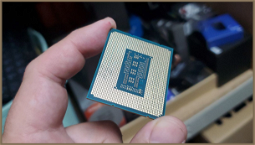
Intel has made the decision to pull its old High End Desktop (HEDT) CPUs and chipsets from the market. This move comes as Intel seeks to focus on newer and more advanced CPU architectures. As a result, any new systems that wish to use these products will now be forced to rely on older hardware. This change may potentially drive up the cost of building new systems.
One of the affected products is the Cascade Lake-X CPUs, which have been available since 2019. Although these CPUs offer an impressive clock speed of up to 4.8GHz and provide ample bandwidth with their quad-channel memory controller and 48 PCIe lanes, they are based on outdated technology. Additionally, the 48 PCIe lanes are only Gen 3.0, whereas newer CPUs support Gen 5.0, enabling them to transfer data at faster speeds.
Not only will production of the Cascade Lake-X CPUs be discontinued, but so will the production of the X299 chipset and its LGA2066 socket. The X299 chipset was initially released in 2017 and supported Skylake-X and Kaby Lake-X CPUs.
Intel will continue shipping Cascade Lake-X CPUs and X299 chipsets until January 2025. Orders for these products will be accepted until April 2023. After that, customers will need to resort to older hardware if they still want to use these CPUs and chipsets.
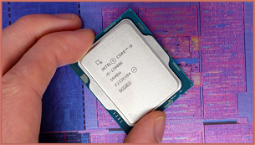
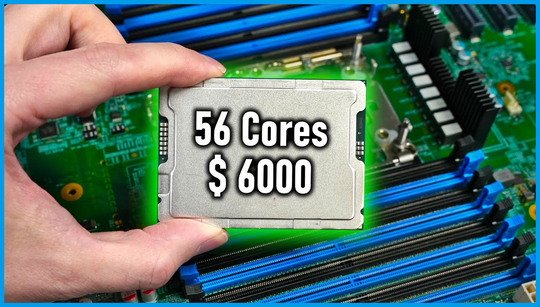
However, there are newer CPUs available that offer superior performance compared to the Cascade Lake-X CPUs. For example, the Core i9 13900K from the Raptor Lake lineup is not only faster, but also more affordable. It is worth noting that the Cascade Lake-X CPUs and the X299 chipset still have relevance in specific workflows that require a quad-channel memory controller or numerous PCIe peripherals. For customers with such requirements, transitioning to more expensive Xeon workstation platforms will be necessary.
Although this marks the end of Intel's presence in the HEDT market, the impact of this discontinuation will not be immediate. Intel has not yet announced a new HEDT line based on its latest Sapphire Rapids Xeon CPUs. In the meantime, mainstream Raptor Lake CPUs, as well as a potential Raptor Lake refresh, will be the best options available.