
Nvidia's GPU Supply Shortage Explained
Nvidia’s GPU supply shortage is caused by packaging issues, rather than manufacturing ones, as the company’s VP of technology architecture explains in a blog post. Speaking to PC Game Spotlight at GDC, Bill Dickson discusses the reasons behind the limited availability of Nvidia GPUs, including the recently released GeForce 30 Series.
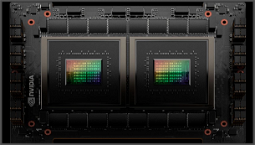
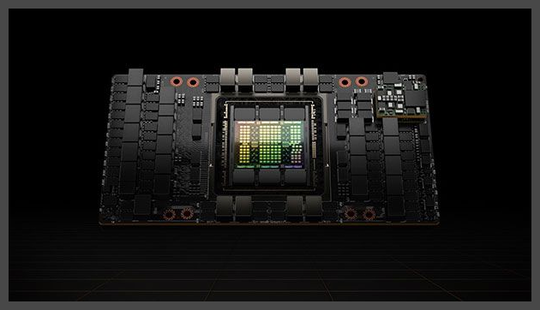
Previously, Nvidia cited wafer production as the cause of its GPU supply shortages. However, Dickson clarifies that the bottleneck lies in the complex chip packaging steps that follow wafer manufacturing. Specifically, the Nvidia H-class GPUs utilise TSMC’s CoWoS packaging technology, which slows down production as a result of the technology’s relative newness.
Dickson says that the shortage affects both consumer and professional workloads, including artificial intelligence. Even big names like Elon Musk have compared acquiring GPUs to acquiring drugs. While the cause may be amusing, the problem is quite serious.
“Any time that there is limited worldwide manufacturing of the components, and you see a spike in demand for that, you’re going to have a problem,” Dickson says. “It’s not the actual GPU, it’s the components around it that make it up. Multiple steps, from chip design to manufacturing.”
Often, design oversights or material shortages can create bottlenecks that slow down the overall process. While some companies may be able to overlook certain inefficiencies, others may need to prioritise specific products. Dickson says that TSMC expects it will take around “about a year and a half” to resolve the packaging backlog.
“Nvidia’s always been very good at execution,” VMware CEO Pat Gelsinger tells us. “They’ve been able to leapfrog AMD, in a lot of ways, because they’ve done a better job at execution than AMD. But, I think you’re starting to see that open up. Compute is a very important part of the gaming GPU landscape, and I think that AMD has been executing really well there.”
Competition is required in the AI space as well, with AMD gaming GPUs making strides. In addition, the manufacturing sector could also use an injection of new players, with Intel’s Foundry Services and Samsung perhaps playing a role in the high-performance GPU game.
“Anytime you can shake things up a little bit, it’s good for everybody,” Gelsinger adds. “It’s good for the end users, it’s good for the companies that are trying to figure out how to manufacture these things.”